

 Türkçe
 Spanish
 Russian
 French
What Is a Drive Shaft? Types, Working Principle and Maintenance Guide
Hypo Hydraulic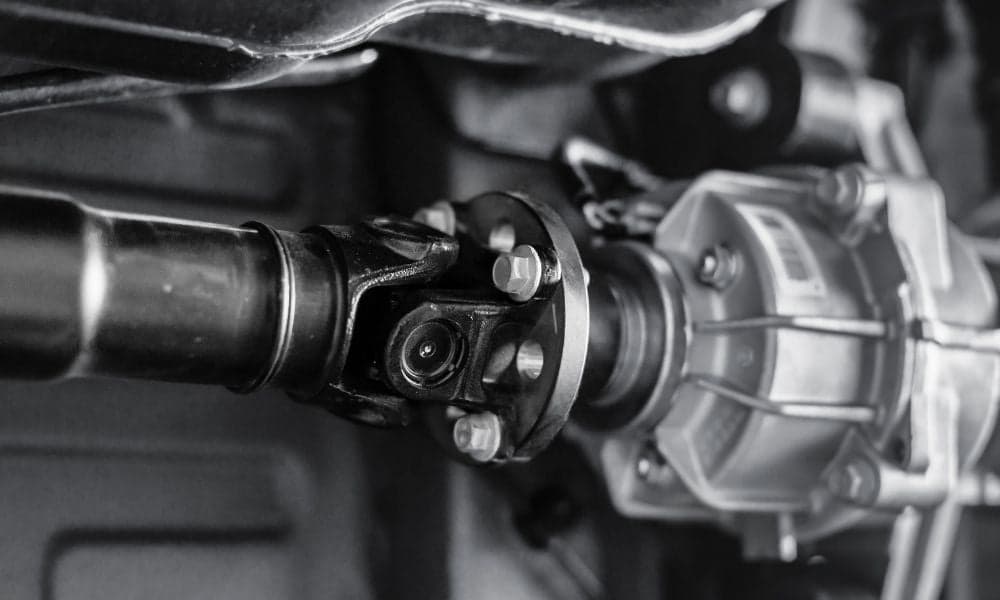
The power transmission system of heavy commercial vehicles consists of many critical components. Among them, perhaps the least visible but hardest-working part is the drive shaft (cardan shaft). Even if we are not aware of it in daily life, the drive shaft is the backbone that allows trucks, tractor units, buses and construction machinery to transfer engine power to the wheels.
In this article we take a comprehensive look at what a drive shaft is, how it works, its types, the factors that affect its service life and the correct maintenance methods.
1. What Is a Drive Shaft?
The drive shaft (also known as a propeller shaft or cardan shaft) is a critical link in the power transmission chain that runs from the engine to the gearbox and from there to the differential. By transmitting rotational motion to axles located at different angles and distances, this shaft is an indispensable component of trucks, buses, construction machinery and heavy vehicles.
Considering that the vehicle shakes under load, and that angles and vibrations change with road conditions, it is very important for the drive shaft to adapt to these dynamic conditions. It achieves this flexibility through universal joints (U-joints) and slip joints.
2. How Does a Drive Shaft Work?
A vehicle's engine power is transferred to the gearbox, and the gearbox then passes this power to the drive shaft. The drive shaft consists of steel tubes that resist buckling and bending, and universal joints (U-joints) at both ends. Thanks to these joints, the shaft can rotate continuously despite vertical and horizontal angle differences.
The second critical component of the system is the slip joint. This design compensates for the change in shaft length as the vehicle's suspension moves. As a result, engine power is not interrupted and mechanical parts are not damaged.
In short, the drive shaft system works in the following steps:
- Engine power is transferred to the gearbox.
- The gearbox output shaft is connected to the drive shaft.
- The drive shaft carries the rotational motion to the differential despite the angle difference.
- The differential distributes this motion to the wheels.
3. Types of Drive Shafts
Drive shafts are produced in different designs depending on their purpose and vehicle type. The main types are:
3.1 One-Piece Drive Shaft
Used in vehicles where the distance between the engine and the differential is short. It is common in light and medium commercial vehicles. Its low weight and simple design make maintenance easy.
3.2 Two-Piece (Flanged) Drive Shaft
Preferred in trucks and tractor units with long chassis. Two separate shaft sections are connected in the middle by a support bearing (center bearing). This design reduces the vibration and torsional forces that can occur on long axes.
3.3 Constant Velocity (CV Joint) Drive Shaft
Used especially in front-wheel-drive vehicles and some modern 4x4 systems. The constant velocity joint transmits power without speed fluctuations when the angle changes. This significantly reduces vibration and wear.
3.4 Telescopic (Slip Joint) Drive Shaft
Preferred in construction machinery, tipper vehicles and heavy haulage vehicles. Because the shaft length can change during operation, it offers special flexibility for these vehicles.
4. Which Vehicles Use Drive Shafts?
A drive shaft is found in all rear-wheel-drive and 4x4 vehicles. Its range of applications is very wide:
- Long-haul trucks and tractor units
- Urban distribution vehicles
- Buses and midibuses
- Tipper trucks and concrete mixers
- Construction machinery (excavators, loaders, graders, etc.)
- Agricultural vehicles (tractors and implements)
- Off-road and 4x4 vehicles
Drive shafts with different technical specifications are produced for different brands and models. Heavy commercial vehicle manufacturers such as MAN, Volvo, Scania and Mercedes each have their own chassis geometry, torque values and joint angle requirements.
5. Factors Affecting Drive Shaft Life
A quality drive shaft can run trouble-free for years. However, several factors can shorten this life considerably:
5.1 Insufficient Lubrication
The universal joints and slip joint sections of the drive shaft require regular lubrication. Insufficient lubrication increases friction between metal parts, accelerating wear and leading to premature failure.
5.2 Dynamic Imbalance
Because the drive shaft rotates at high speeds, it must be perfectly balanced. Any deformation or build-up of dirt upsets the balance and causes vibration. Over time, this vibration also damages other drivetrain components.
5.3 Overloading
Carrying loads above the vehicle's capacity puts excessive torque on the drive shaft. This is even more damaging during stop-start driving and cornering.
5.4 Road Conditions
In vehicles operating on rough, muddy or construction site terrain, the drive shaft is exposed to harsher conditions. Maintenance frequency should therefore be increased for these vehicles.
5.5 Use of Low-Quality Spare Parts
Drive shafts that do not meet dimensional tolerances or are made from low-quality steel fail quickly and can also damage other components. That is why quality and dimensional compatibility are critical when choosing spare parts.
6. Drive Shaft Failure Symptoms
Symptoms indicating a problem with your drive shaft can usually be noticed at an early stage. Ignoring them can lead to larger and more costly damage:
- Vibration felt in the chassis or seats while driving
- "Clicking" or "clunking" noises, especially when changing gear at low speed
- Metallic noises during braking and acceleration
- Difficulty keeping the vehicle straight and reduced steering control
- Oil leakage near the differential (may indicate flange seal damage)
- Interruptions or delays in power transmission when the vehicle is turning in place
If you notice any of these symptoms, taking the vehicle to a technical service will prevent possible major damage.
7. Drive Shaft Maintenance: Basic Tips
Regular maintenance significantly extends the life of the drive shaft. The key points to consider during maintenance are:
Regular Greasing
The universal joints and slip joints of the drive shaft should be lubricated with special grease at regular intervals. Following the lubrication intervals recommended by the vehicle manufacturer directly affects component life.
Dynamic Balance Check
The drive shaft should undergo a dynamic balance test at certain service intervals. In case of any vibration complaint, a balance check should be carried out without delay.
Universal Joint Inspection
U-joints should be inspected regularly for wear, rust and cracking. Especially on high-mileage vehicles, joint replacement should be part of preventive maintenance.
Flange and Connection Bolts
Flange connections should be checked periodically for loosening. Loose bolts not only cause vibration and noise but also pave the way for mechanical damage.
Slip Joint (Spline) Area Check
If there is excessive play or corrosion in the slip joint area, this section may need to be replaced. This check should not be neglected, especially on vehicles covering long distances.
8. What to Consider When Choosing a Drive Shaft
Choosing a drive shaft is not a random decision. The wrong choice can cause vibration, premature wear and loss of power. The following criteria should be considered for the right choice:
- Full compatibility with the vehicle make and model
- Shaft length and flange dimensions matching the original
- Maximum torque capacity matching the vehicle's requirements
- Joint angle tolerances
- Quality of the steel alloy used and surface hardening process
- Dynamic balance testing carried out during production
Production that exactly matches the original dimensions, together with quality control processes, is critical for long-term reliability.
Conclusion
The drive shaft is the silent but indispensable hero of the power transmission system of heavy commercial vehicles. A properly working drive shaft improves fuel efficiency, increases driving comfort and extends the overall life of the vehicle.
Regular maintenance, choosing quality spare parts and timely intervention both reduce costs and prevent unexpected breakdowns on the road. For fleet managers and drivers, the best approach is to see drive shaft maintenance not as an obligation but as a long-term investment.